EN ▾
Public Transit Biohazard Cleanup in Des Moines, IA
Licensed Des Moines public transit biohazard cleanup pros using eco‑conscious methods and responsible disposal — honest pricing, fast scheduling, and work done right.
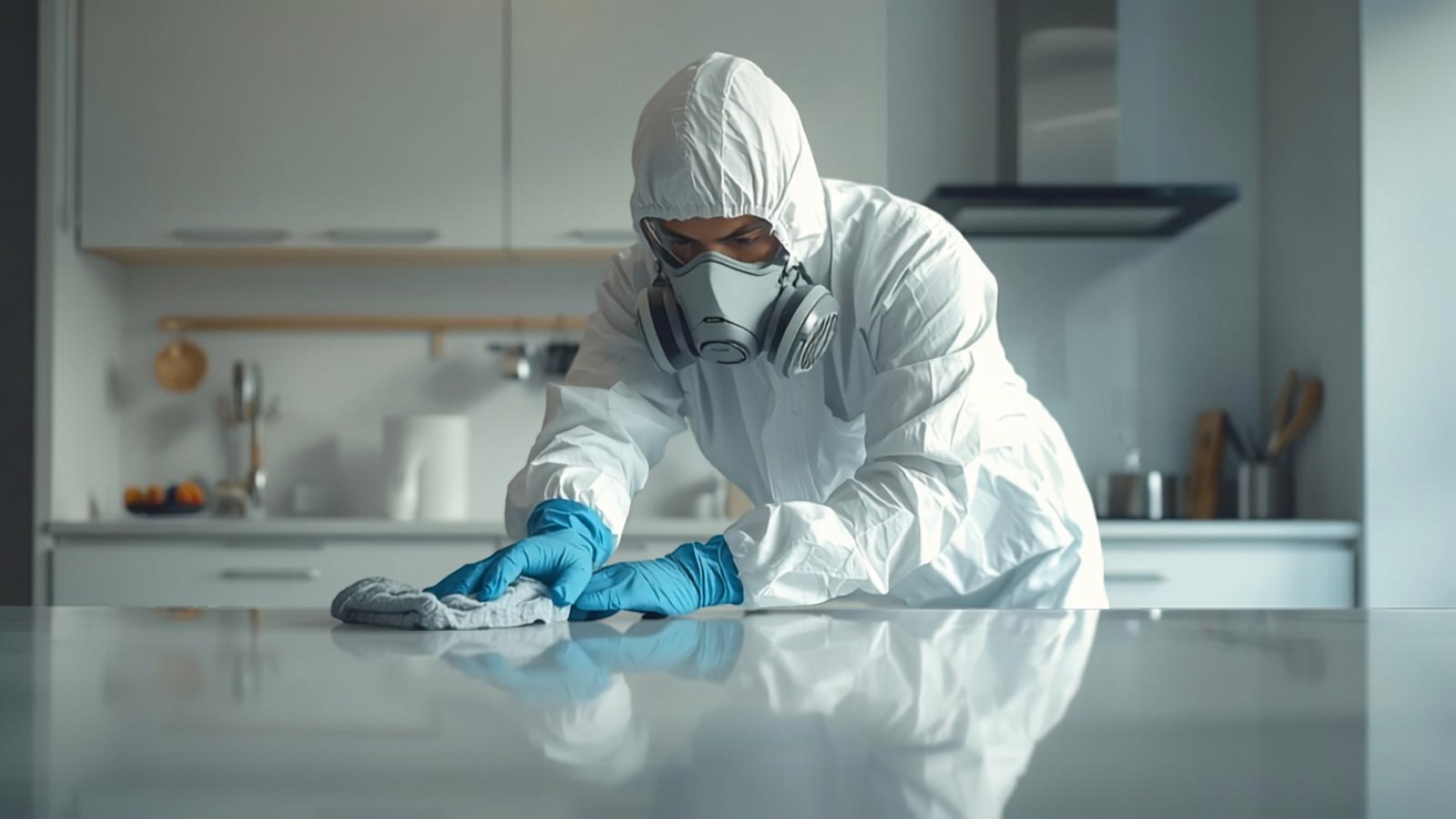
What's included
Public Transit Biohazard Cleanup
From urgent repairs to planned installs, Des Moines Death Cleanup's licensed team handles public transit biohazard cleanup across Des Moines — with an upfront price agreed before any work begins.
How it works
Public Transit Biohazard Cleanup FAQ
What payment methods do you accept?+
How much does biohazard cleanup cost in Des Moines?+
Why choose Des Moines Death Cleanup?+
What biohazard cleanup services do you offer in Des Moines?+
Who do I call for a biohazard cleanup emergency in Des Moines?+
How can I verify a biohazard cleanup company in Des Moines is licensed and legitimate?+
Public Transit Biohazard Cleanup in Des Moines
Public transit vehicles and stations in Des Moines present unique challenges when a biohazard incident occurs. Whether it’s a medical emergency, a violent altercation, or an unattended death on a bus, train platform, or shelter, the scene must be handled with extreme care. Unlike a private residence or commercial building, transit spaces are high-traffic, publicly accessible, and often subject to strict regulatory oversight from local transit authorities, the Iowa Department of Public Health, and OSHA guidelines. The work involves more than just cleaning visible blood or bodily fluids. Technicians must assess the entire affected area — seats, grab bars, floors, windows, ticketing machines, and even adjacent walkways — because pathogens can spread through splatter, aerosolization, or simple contact. In Des Moines, where buses and the D-Line shuttle serve thousands of riders daily, a contaminated vehicle or stop cannot stay offline for long. The cleanup process must be thorough yet efficient, using hospital-grade disinfectants, personal protective equipment (PPE), and proper waste disposal protocols to restore the space to a safe condition. Every step must be documented to satisfy transit authority requirements and protect the health of passengers, drivers, and maintenance staff.
Why does this matter for Des Moines properties? The city’s public transit network connects neighborhoods like Beaverdale, downtown, and the airport, and a biohazard incident can disrupt service, cause public alarm, and create liability for the transit agency or property owner. Improper cleanup — such as using household bleach or leaving behind porous materials that harbor pathogens — can lead to lingering odors, disease transmission, or legal penalties. Des Moines Death Cleanup follows a systematic process: first, we secure the scene and identify all contaminated surfaces. Next, we remove any biohazardous waste in specialized containers, then clean and disinfect every touched area using EPA-registered antimicrobials. Finally, we verify the area meets safety standards with ATP testing (adenosine triphosphate) to confirm no biological residue remains. This ensures that buses, shelters, and stations are safe for the public to use again, protecting the reputation of Des Moines’ transit system and the well-being of its riders.
Areas We Cover in Des Moines
We serve public transit biohazard cleanup needs across the entire Des Moines metro area, including neighborhoods such as Accent, Arbor Peaks, Avon, Avon Lake, Beaverdale, and Brook Run. Our team also responds to incidents near major landmarks like 2AU Limited, 2nd Amendment Gun Shop, 300 Craft & Rooftop, and 801 Chophouse — anywhere that a bus stop, light rail station, or transit hub may require professional remediation. From the downtown core to the outskirts, we are prepared to handle biohazard situations on any public transit property within Des Moines city limits.
What to Expect
When you contact Des Moines Death Cleanup for a public transit biohazard incident, here is what you can expect:
- A discreet, non-emergency response to assess the scene and coordinate with transit authorities.
- Full containment of the affected area to prevent public exposure.
- Removal of all biohazardous materials, including blood, tissue, and bodily fluids.
- Deep cleaning and disinfection of all hard and soft surfaces, using equipment designed for high-traffic environments.
- Proper disposal of waste in accordance with Iowa and federal regulations.
- A final inspection and verification of cleanliness before the area is reopened to the public.
Call to Action
If your Des Moines public transit property has experienced a biohazard incident, do not delay. Contact Des Moines Death Cleanup today to schedule a professional assessment and cleanup. We will restore safety and peace of mind to your transit facility.